Bian Que
Introduction
Bian Que, a legendary figure in the history of traditional Chinese medicine, is often considered one of the earliest and most influential physicians in ancient China. He is renowned for his pioneering contributions to medical science during the Warring States Period (475-221 BC). As a pivotal figure in the development of Chinese medicine, his legacy has been preserved and admired through various historical texts and artifacts, influencing the practice of medicine for centuries.
Historical Context
Bian Que lived during the tumultuous Warring States Period, a time marked by political fragmentation and frequent conflicts among various states. Despite the era's challenges, it was also a period of significant intellectual and cultural advancement, paralleling the rise of renowned thinkers and innovations in other fields. Bian Que emerged as a medical savant, mingling with scholars and political figures, and offering his medical expertise across the regions of ancient China.
Contributions to Medicine
Bian Que is most famously associated with the development of diagnostic techniques, particularly pulse diagnosis, which has become a cornerstone of traditional Chinese medicine (TCM). His approach to understanding the human body focused on the belief that the pulse could reveal essential information about a person's health status, reflecting internal imbalances or illnesses. This diagnostic technique laid the groundwork for future generations of physicians and has been continuously refined over centuries.
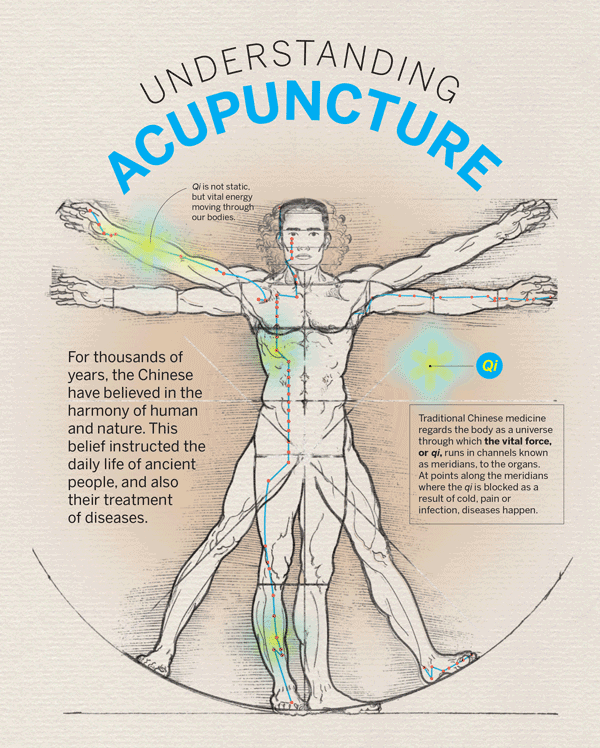
Bian Que was also a proponent of acupuncture and herbal medicine, using these practices to treat various illnesses and conditions. His medical philosophy was deeply intertwined with the belief in balancing the body's energies, a concept that resonates with contemporary TCM practices.
Legacy and Influence
The legacy of Bian Que endures through numerous medical texts and artifacts attributed to him and his successors. One notable discovery is a set of medical bamboo slips unearthed from a Western Han Dynasty tomb, believed to have been written by his followers. These slips, containing over 25,000 characters, provide invaluable insights into the medical theories and practices of the Han Dynasty, highlighting the enduring influence of Bian Que's teachings.
Moreover, Bian Que's methods and philosophies have been immortalized in classic Chinese historical records, such as the "Records of the Grand Historian" by Sima Qian. These texts recount stories of Bian Que's miraculous treatments and his profound impact on the medical knowledge of his time.
Modern Relevance
In contemporary times, Bian Que's contributions continue to be relevant within the context of traditional Chinese medicine. His emphasis on the pulse as a diagnostic tool remains a fundamental practice in TCM, with modern innovations integrating traditional techniques with contemporary medical technology to enhance diagnostic accuracy.
Acupuncture, another practice closely associated with Bian Que, has gained global recognition and is widely studied and practiced beyond China. It has been inscribed on UNESCO's Representative List of Intangible Cultural Heritage of Humanity, acknowledging its historical and cultural significance.
Preservation and Development
Efforts to preserve and develop Bian Que's medical heritage are ongoing. Academic institutions, such as the Chengdu University of Traditional Chinese Medicine, actively engage in research and compilation of ancient texts, uncovering historical artifacts that shed light on ancient medical practices. These endeavors aim to facilitate the inheritance and development of traditional Chinese medicine by bridging the past with modern scientific advancements.
Furthermore, the integration of Bian Que's medical concepts with modern healthcare practices continues to enrich the field of medicine, offering alternative and complementary therapeutic options for a variety of health conditions.








